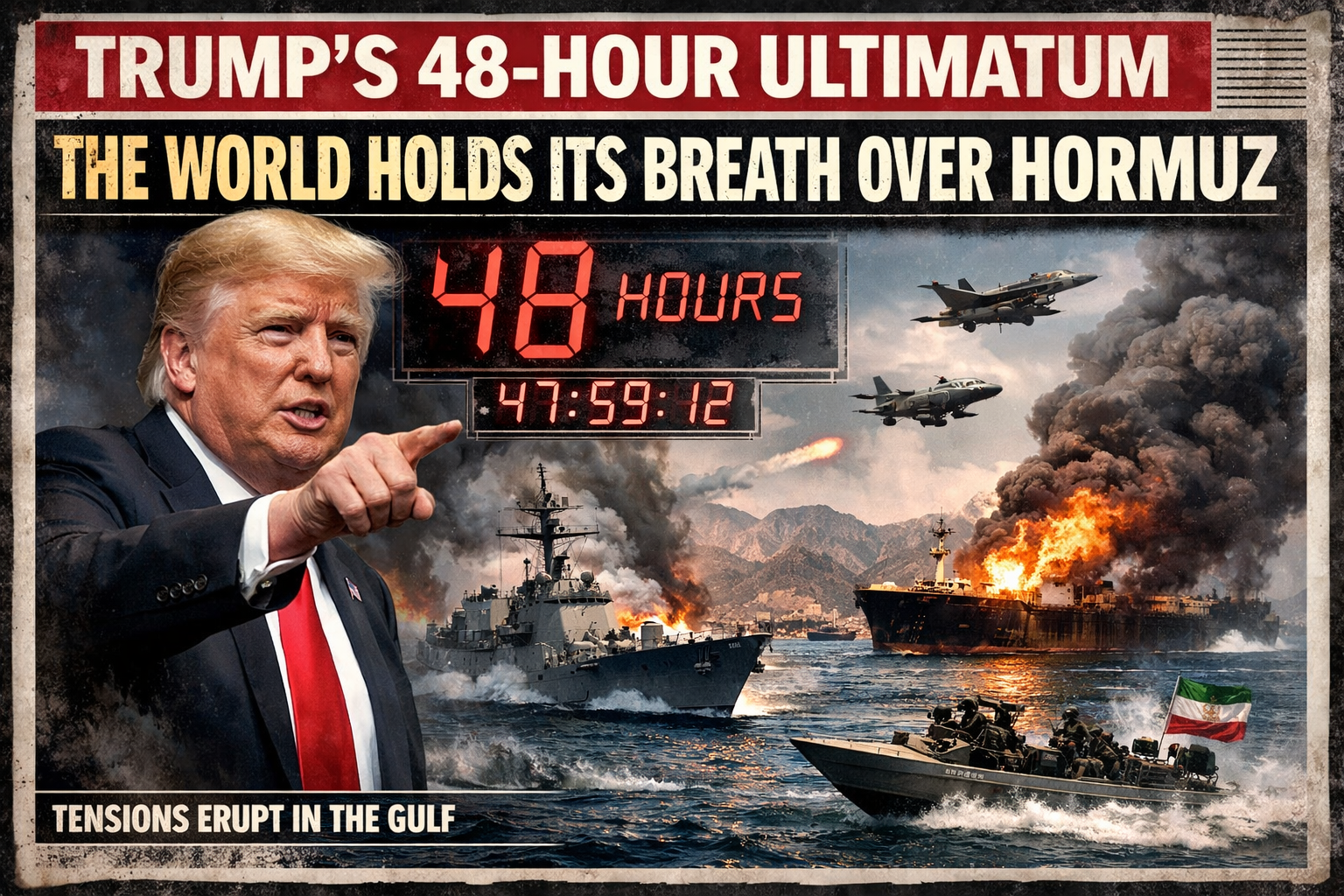
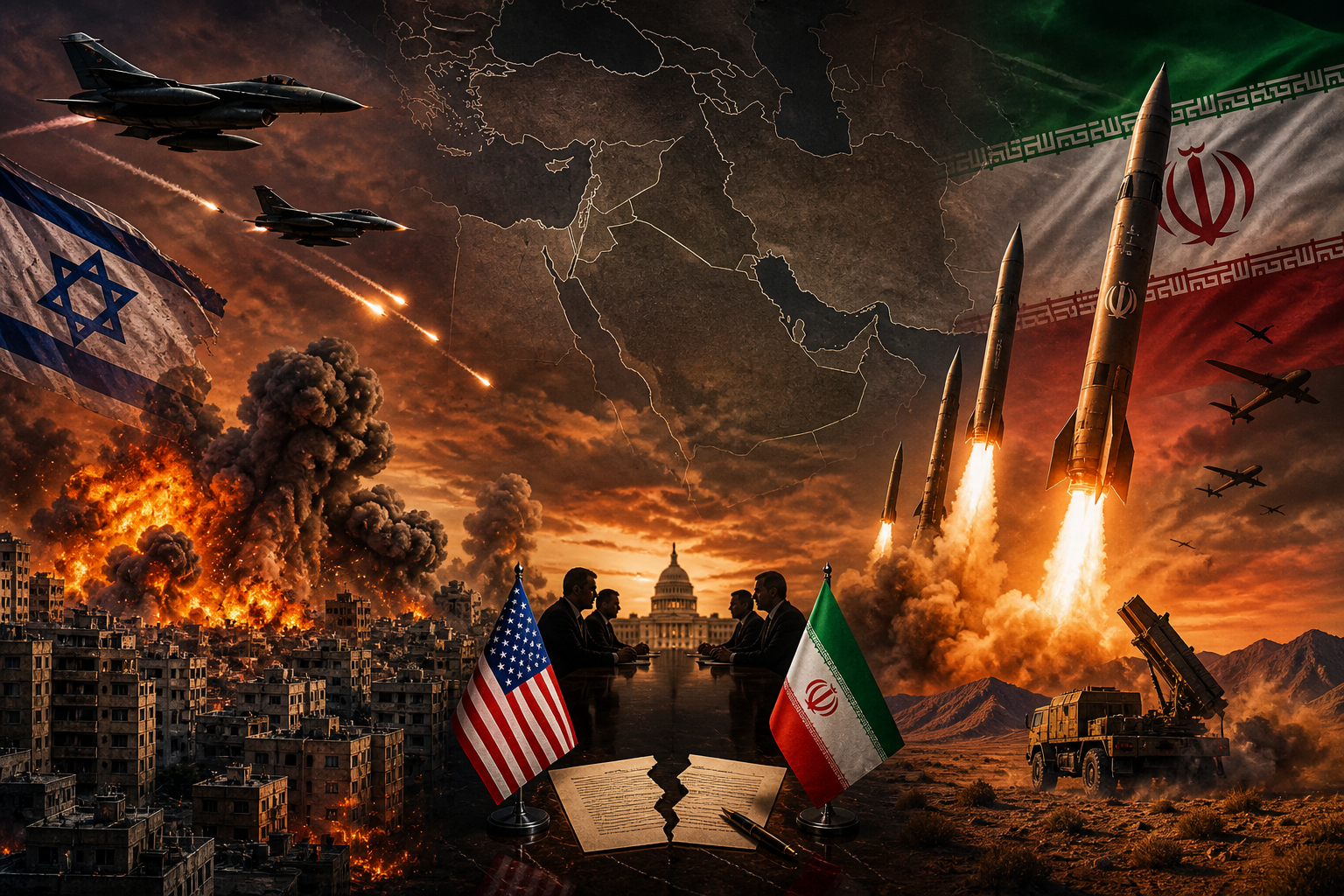
The Middle East just got a lot more dangerous. In a late Saturday Truth Social post, President Trump threatened to "hit and obliterate" Iran's power plants, starting with the biggest one, if Tehran doesn't open the Strait of Hormuz within 48 hours.
One Waterway, Global Consequences
The stakes here are enormous. Approximately 20% of the world's oil passes through the Strait of Hormuz—a critical trade route now essentially paralyzed by Iranian attacks on ships, sending oil prices soaring globally. When one waterway controls that much energy flow, closing it isn't just a military move. It's an economic weapon aimed at every country that runs on oil.
Tehran Fires Back—And Means It
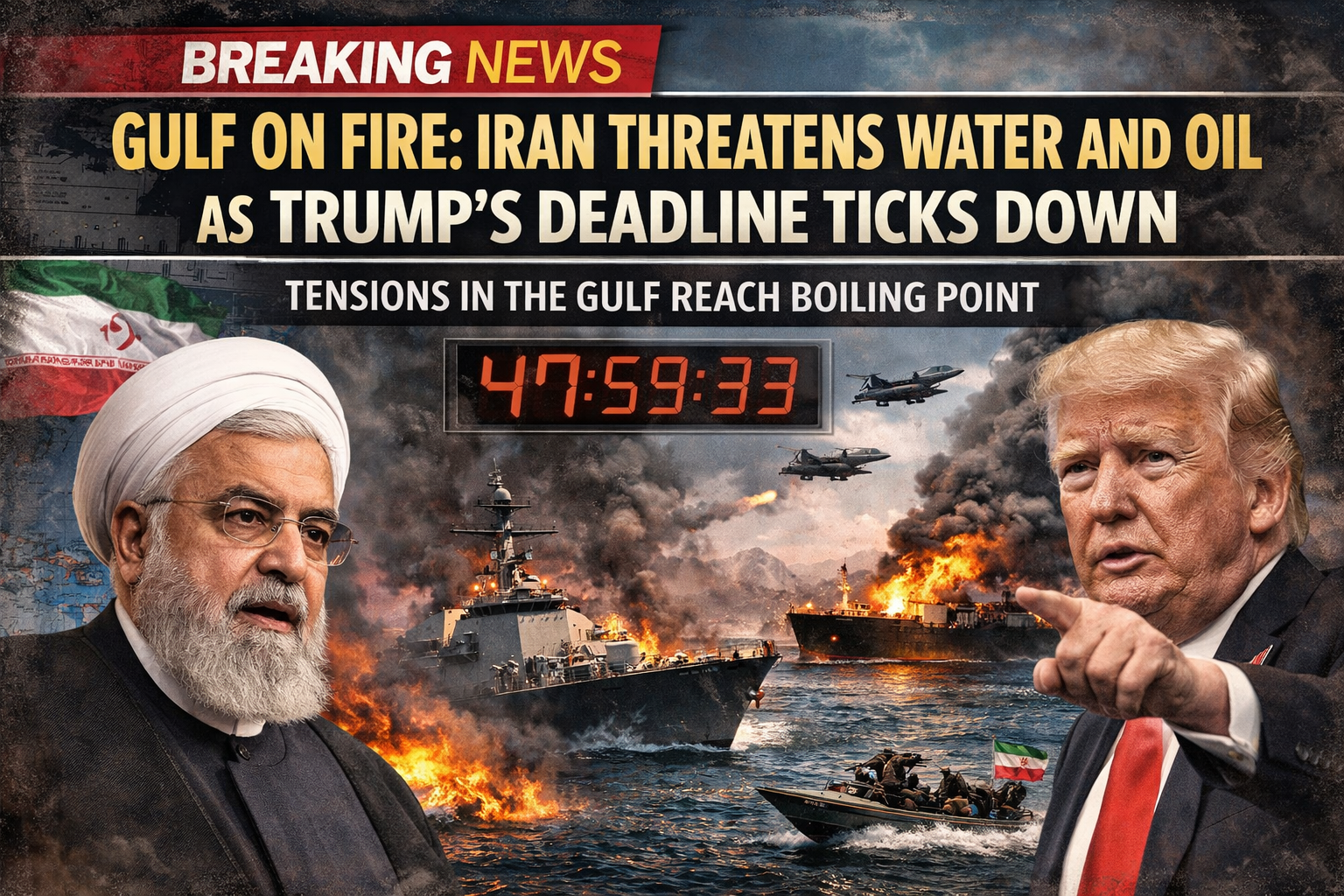
Iran didn't back down quietly. Iran's military warned it will retaliate by striking all US energy, IT, and desalination infrastructure in the region if its own fuel and energy infrastructure is attacked. Tehran is essentially saying—hit us, and the whole Gulf burns. What makes this even more volatile is the timing. Trump's dramatic reversal came barely a day after he talked about "winding down" the war, claiming the US was "getting very close to meeting objectives." One day he's talking exit, the next he's threatening obliteration. That inconsistency itself unsettles markets, allies, and adversaries alike.
Bombs Already Falling—But Is It Enough?
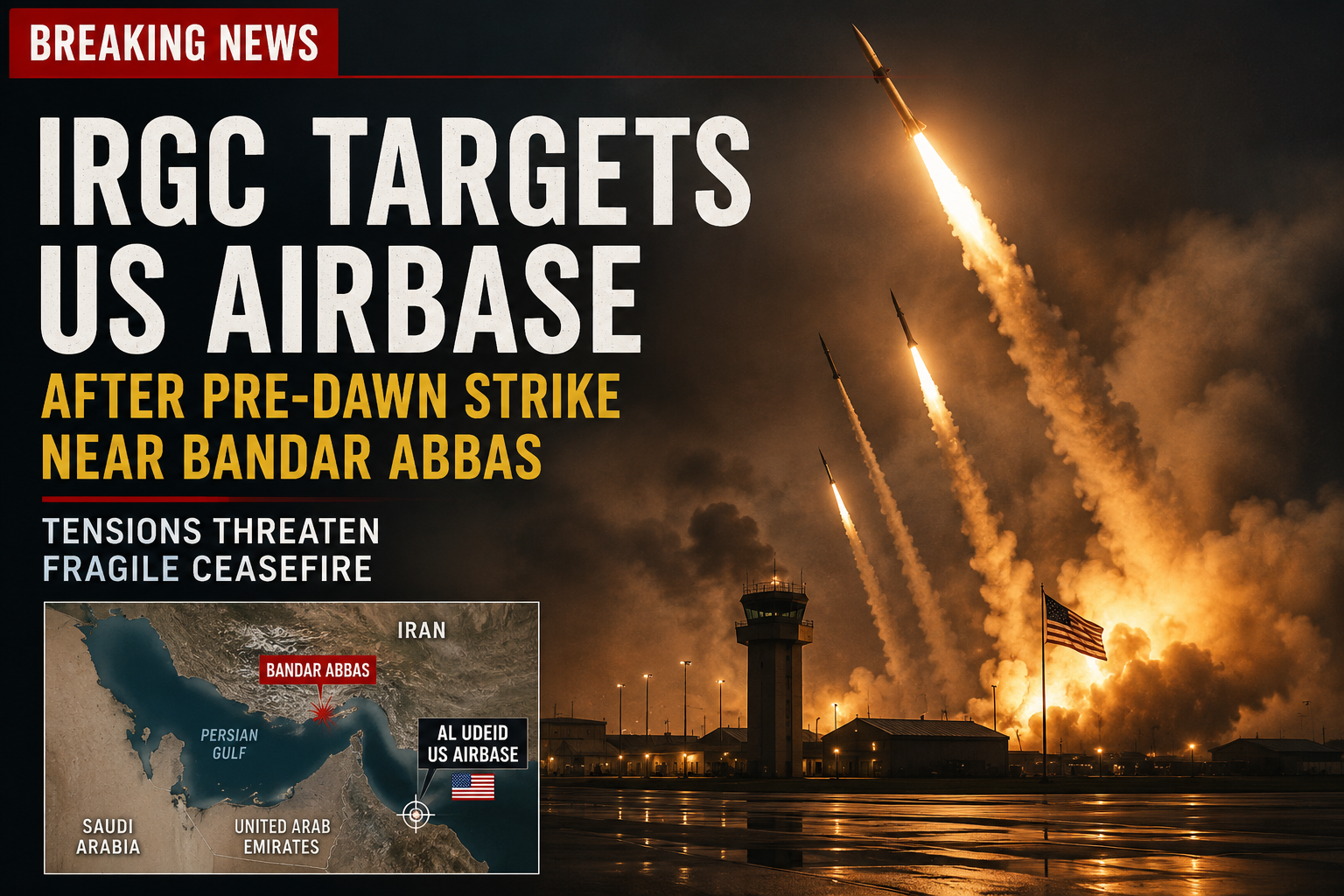
The military picture is already shifting. US Central Command dropped multiple 5,000-pound bombs on an underground Iranian coastal facility storing anti-ship cruise missiles, destroying intelligence support sites and missile radar relays used to monitor ship movements. Iran's naval reach is weakening. But a cornered power is still dangerous. Iran maintains the strait is open to all except the US and its allies, a fine distinction that changes nothing for global energy markets screaming for stability.

Login to post a comment.